Flexible, lightweight websites using a headless structure
Separating your content and code might be a big change, but there are a ton of benefits.
Separating your content and code might be a big change, but there are a ton of benefits. We explore some of the advantages of a headless CMS, including easy editing and clean migration.
In the early days of the web, it was a given that websites and their content went hand-in-hand. Hosting packages included storage space, as well as the tools needed to build site code. And at the time, it made a lot of sense. Web code needs to access your site’s images, text content and files, so shouldn’t the code be in the same place as your data?
The Problem
In the early days of the web, it was a given that websites and their content went hand-in-hand. Hosting packages included storage space, as well as the tools needed to build site code. And at the time, it made a lot of sense. Web code needs to access your site’s images, text content and files, so shouldn’t the code be in the same place as your data?
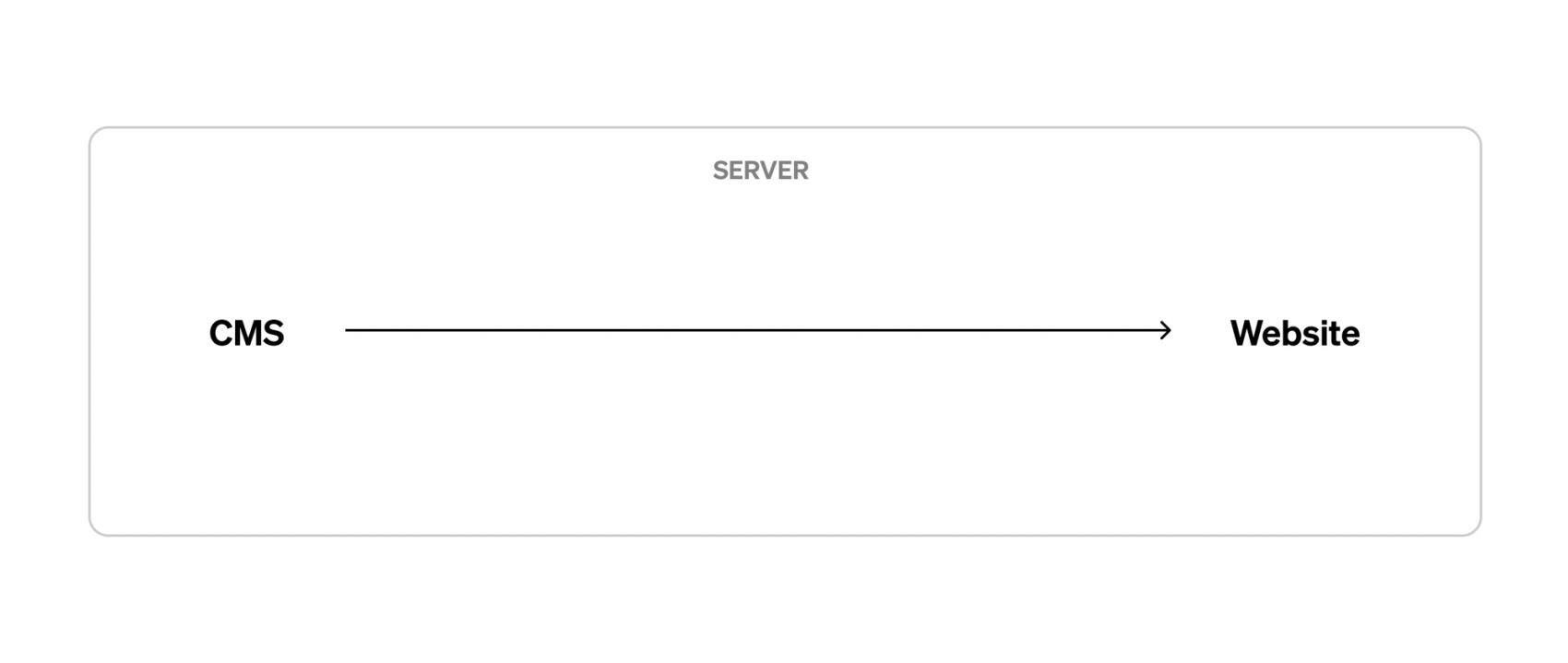
Not necessarily! Content and web structures—while symbiotic—aren’t necessarily easier to organize together than they might be when organized separately. This is why more and more developers continue to move toward headless websites: keeping code and content completely separate presents a number of organizational and performance benefits.
Benefits
So what are some of the benefits, specifically?
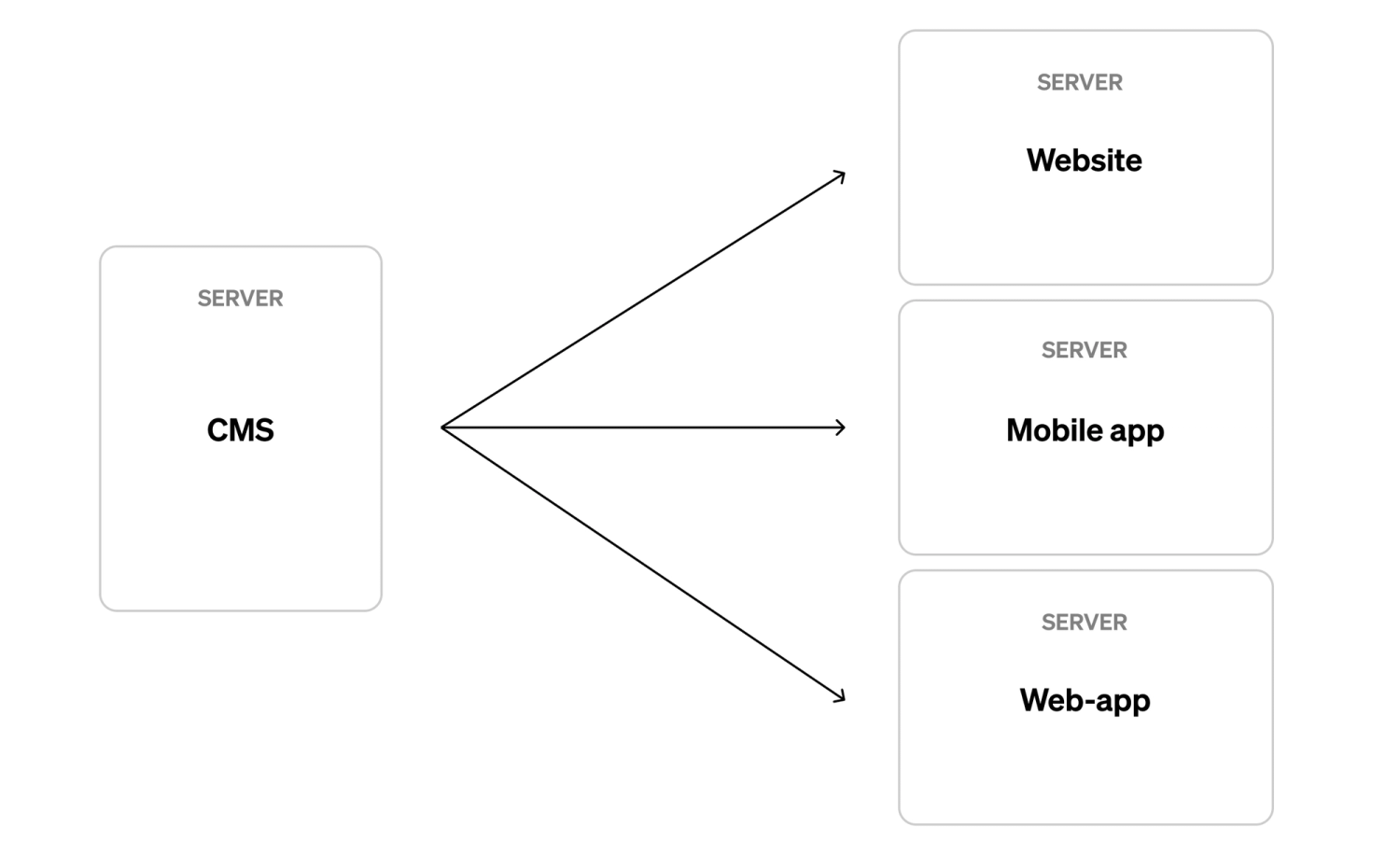
Firstly, organization. We can all be digital pack-rats even at the best of times, and websites are no exception. Traditional CMS systems can get very bloated, very quickly, since users typically don’t have a lot of control over exactly where content goes, or how the flow of data is managed behind the scenes. With a headless site, your web developer structures the flow of your content, so minimal assets can be stretched over an entire site without duplicate uploads. Need to use the same logo in 30 different places on your website? Using a traditional CMS, you might need to upload that file 39 times, but with a headless system, we can upload it once, then access the same file from around the site, as many times as we need! We can even use different queries on the same file to draw out even more use from a single source!
Migration
This brings us to another benefit of headless sites: migration. With a traditional CMS, your data and site code are intrinsically tied together by whichever system you’ve chosen to use. This means that if you decide to revamp your site, there’s a good chance that you’ll need to start the whole thing over from scratch. Not to mention the frustration of migrating all your content from one system to another! With a headless site, since your content and code are separate, you can change over to a different CMS and tie it into your existing code, or change over your code and tie it into your existing CMS. This allows a great deal more flexibility when it comes to migrating content or giving a fresh coat of paint to a legacy website.
It’s important to allow your content and website room to grow. Since headless sites are, by their nature, flexible and lightweight, we at Field believe that it’s the best route for both developers and content creators.